
Best Bird Cages for Parrots in 2025 (Buyer’s Guide)
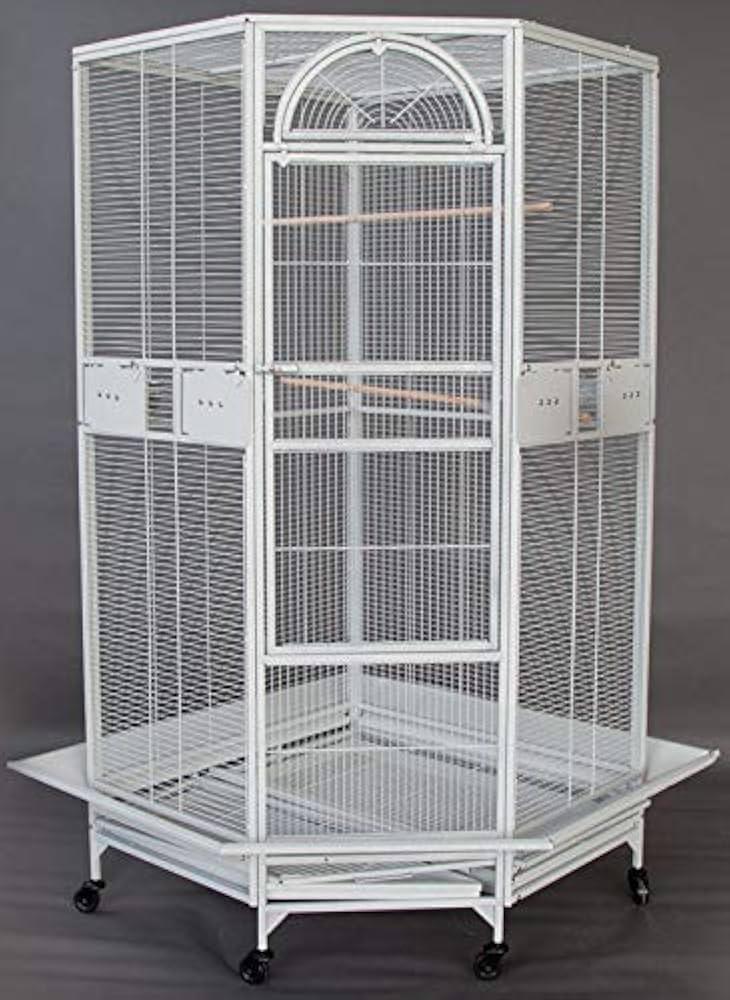
A great parrot cage isn't just a box with bars-it's a daily landscape of climbs, chews, naps, and negotiations. The right setup supports your bird's safety and well‑being while fitting the rhythms of your home. In 2025, the market has shifted beyond "big and sturdy" to smarter choices: cleaner finishes, quieter hardware, better door geometry, and layouts that actually encourage movement and enrichment. But "best" depends on species, size, and lifestyle-what works for a cockatiel can frustrate a macaw, and a roomy footprint means little if bar spacing, weld quality, or interior layout are wrong.
This buyer's guide walks you through what matters most before you click "buy." We'll decode dimensions versus usable interior space, bar spacing and gauge, stainless steel versus modern powder coats, and the nuances between dome‑top, flat‑top, and play‑top designs. We'll flag safety essentials like escape‑proof latches, chew‑resistant materials, and non‑toxic finishes; practical details such as feeder access, door size, and seed guards; and real‑world conveniences like casters that glide, trays that don't bind, and parts you can clean without a toolkit. You'll also find guidance on enrichment and perch placement, where to situate the cage in your home, and how to match a model to budgies, cockatiels, conures, African greys, Amazons, cockatoos, and macaws.
Whether you need a sleek flight cage for a small flock, a fortress for an escape artist, or a modular play space that grows with your bird, this guide helps you avoid common pitfalls and invest in a cage that supports healthy behavior, easy maintenance, and years of companionship.
What matters most for parrot cages Space safety and daily care design
Room to move is non‑negotiable: prioritize interior width over height so wings can fully extend and turns are effortless. Choose bar spacing that prevents heads and toes from slipping through, and prefer horizontal climbs for athletic species. Large, swing‑free doors make handling safer, while a thoughtful layout-perches at varied diameters, a quiet sleep zone, and a playtop or external gym-keeps bodies active and minds engaged. Materials matter: high‑quality stainless steel resists rust and flaking, and well‑finished welds with rounded edges reduce injury risk during high‑energy moments.
Daily care shines when the design shortens routines. Look for escape‑resistant locks, slide‑out grates and trays that actually clear corners, and seed guards that catch fallout without blocking access. Side or revolving feeder doors let you swap bowls without inviting a flight opportunity, and removable panels make deep cleans quicker. Stable casters ease sunlight rotation and floor care, while hardware with no pinch points protects curious beaks. The best cages minimize clutter yet leave anchor points for foraging toys, rotateable perches, and easy water changes-so upkeep stays consistent and stress stays low.
- Bar spacing guide: 0.5-0.75 in (small), 0.75-1 in (medium), 1-1.25 in (large), 1.25-1.5 in (XL).
- Locking: Dual‑action or slam latches beat simple hooks for clever beaks.
- Finish: Food‑safe powder coat or stainless; avoid chips, rust, or sharp welds.
- Clean flow: Tray removes without disturbing the bird; grate lifts separately.
- Zoning: Keep food/water away from swing arcs and sleep perches.
| Parrot size | Min cage (W×D×H) | Bar spacing | Notes |
|---|---|---|---|
| Small (Conure/Quaker) | 24×20×30 in | 0.5-0.75 in | Horizontal bars for climbing |
| Medium (African Grey/Amazon) | 32×23×36 in | 0.75-1 in | Large main door, playtop helps |
| Large (Cockatoo) | 40×30×50 in | 1-1.25 in | Heavy gauge, reinforced locks |
| XL (Macaw) | 48×36×60 in | 1.25-1.5 in | Stainless ideal; ample perch zones |
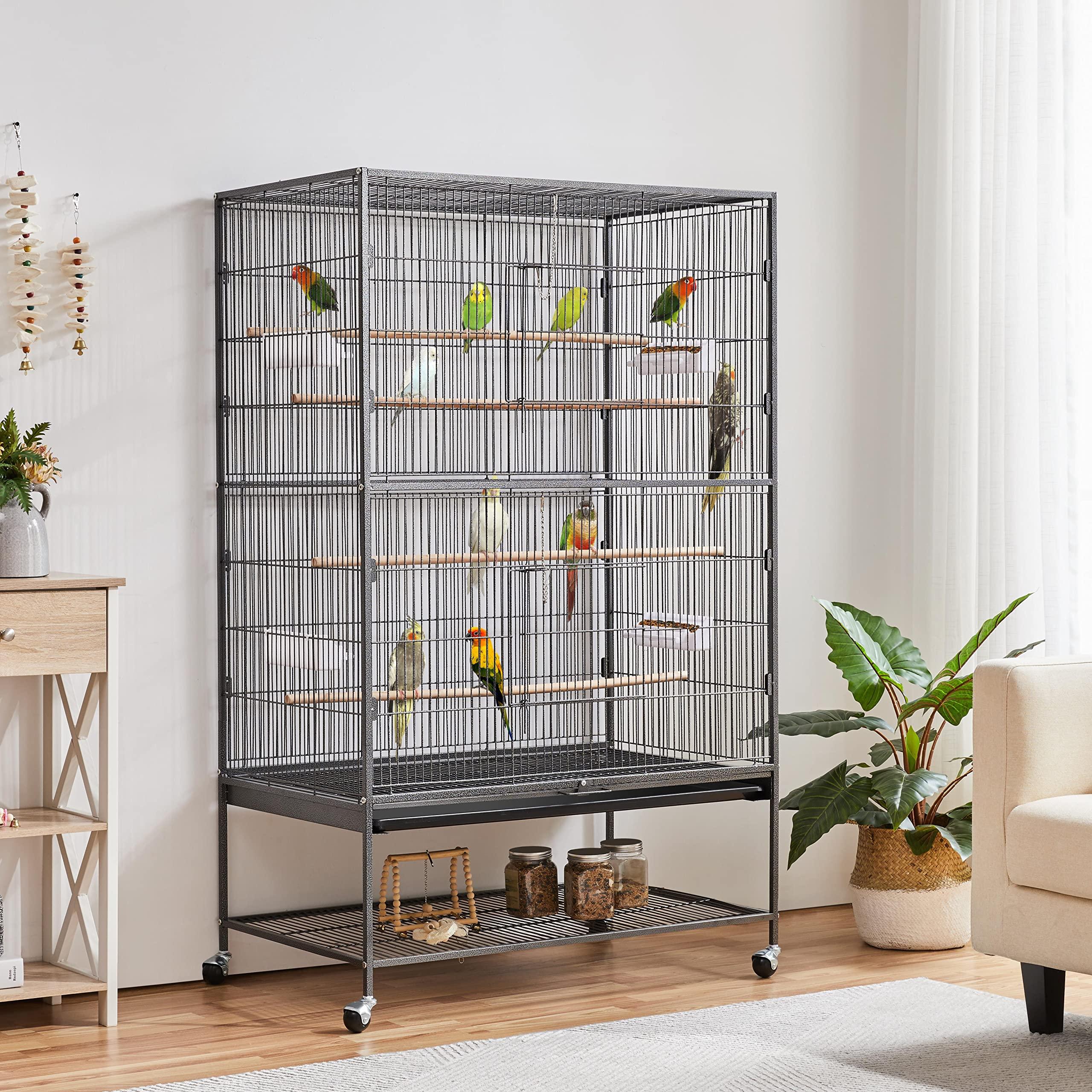
Our top cage recommendations by species and size including budgies cockatiels African greys Amazons and macaws
Right-sized housing is the difference between a restless perch sitter and a confident flier. We matched interior dimensions, bar spacing, and door design to typical activity levels for popular companion parrots so you can balance footprint, safety, and enrichment. Prioritize width over height, choose secure latch hardware, and look for easy-clean finishes; play-top or dome-top is a flavor choice, but the interior flight lane is non‑negotiable.
| Species | Min. interior (W × D × H, in) | Bar spacing | Best for | Example cage type |
|---|---|---|---|---|
| Budgies | 30 × 18 × 20 | 1/2" | Horizontal flight | Wrought‑iron flight cage |
| Cockatiels | 32 × 20 × 30 | 1/2"-5/8" | Play‑top perching | Play‑top with seed guard |
| African Greys | 36 × 24 × 48 | 3/4"-1" | Foraging & puzzles | Stainless play‑top |
| Amazons | 38 × 28 × 50 | 3/4"-1" | Climbing & vocal time | Dome‑top, heavy‑duty |
| Mini Macaws | 40 × 30 × 55 | 3/4"-1" | Active chewers | Euro‑style double‑door |
| Large Macaws | 48 × 36 × 60 | 1"-1¼" | Wing‑stretch & toys | XL stainless with locks |
- Budgies: Choose long flight lanes, thin bars for safe climbing, and multiple door access for easy millet‑training.
- Cockatiels: Go a size up if you run a daily swing/ladder setup; quiet latches reduce startle during nap times.
- African Greys: Favor feeder doors with bolt locks and space for foraging drawers to curb boredom‑chew.
- Amazons: Sturdy perches and chew‑zones matter; a slightly deeper cage helps with tail clearance on turns.
- Macaws: Steel grade and weld quality trump looks; plan for toy clearance and carabiner‑proof latch redundancy.
General sizing rules: width beats height for flight; add 25-30% interior volume for pairs or if you rotate oversized toys; ensure perches sit at least one head‑length from walls to protect tail feathers. Materials matter too-powder‑coated steel offers value, while stainless resists pitting from moist foods and beak wear. Evaluate casters, seed guards, and tray access for daily maintenance, and match bar orientation to your bird's climbing style to turn the whole frame into an exercise course.
Materials bar spacing and finishes that endure strong beaks and active minds
Parrots test metal like few pets can, so prioritize cages built from 304 stainless steel or heavy-gauge, powder‑coated wrought iron. Stainless shrugs off rust and beak dents, while a baked, non‑toxic powder coat resists chipping far better than paint. Look for fully welded joints (not spot‑tacked), smooth ground edges, and feeder doors that lock with no rattle points. Texture matters too: a subtle hammertone or matte finish hides scuffs and gives sure footing, and removable grates and trays in matching metal keep moisture from creeping into seams.
- Gauge and diameter: Heavier bars (about 4-6 mm for larger parrots) deter bending and metal fatigue.
- Finish safety: Lead‑ and zinc‑free coatings, third‑party tested; no flaking at welds or corners.
- Hardware quality: Stainless fasteners, chew‑proof latches, and tight feeder portals prevent clever escapes.
- Frame integrity: Cross‑bracing that doesn't flex, with panels that align flush to avoid beak pry points.
Right‑sized spacing protects toes and inquisitive heads while supporting confident climbing. For small species, tighter spacing avoids entrapment; for medium to large parrots, slightly wider gaps paired with thicker bar diameter prevent bowing under load. Aim for a mix of vertical bars for security and horizontal rungs for enrichment, and match door size to the bird's wingspan so toys and perches swap in without scraping the finish. If you're weighing options, the quick guide below pairs common parrot sizes with bar spacing, bar diameter, and durable material/finish combinations.
| Parrot Size | Bar Spacing | Bar Diameter | Material / Finish |
|---|---|---|---|
| Budgie / Lovebird | 0.4-0.6 in (10-15 mm) | 2-3 mm | Powder‑coated steel, fine texture |
| Cockatiel / Small Conure | 0.5-0.75 in (13-19 mm) | 3-4 mm | Powder‑coated wrought iron, matte |
| Amazon / African Grey | 0.75-1 in (19-25 mm) | 4-5 mm | 304 stainless or premium powder coat |
| Macaw / Cockatoo | 1-1.5 in (25-38 mm) | 5-6 mm | 304 stainless; weld‑heavy frame |
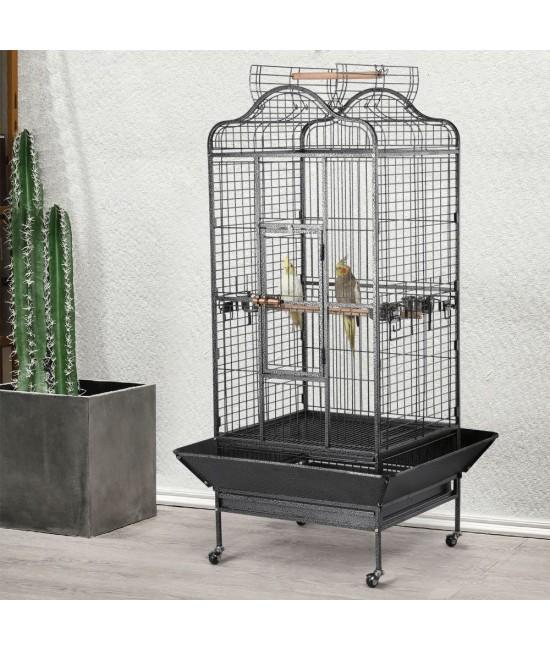
Value picks budget midrange and premium plus accessories that elevate the setup
Whether you're stretching a dollar or splurging on showpiece stainless, the sweet spot is the cage that maximizes space, safety, and daily convenience. The budget-friendly FeatherLite 30 prioritizes essentials-safe bar spacing, deep debris tray, and a powder-coated finish-ideal for small parrots without crowding the room. Step up to the AviaryCraft Metro 40 and you get a sturdier frame, a roomy playtop, seed guards that actually work, and smooth-rolling casters-perfect for active conures and quakers. If you want heirloom-level build and easier cleaning, the SkyLoft Titan 60 in stainless steel ups durability and hygiene for dustier or stronger-beaked birds like greys and Amazons, while offering a more refined look for living spaces.
| Model | Price | Best For | Bar Spacing | Footprint | Standout |
|---|---|---|---|---|---|
| FeatherLite 30 | $99-$129 | Budgies, Lovebirds, GCC | 0.5 in | 30" x 20" | Compact, easy-clean tray |
| AviaryCraft Metro 40 | $199-$279 | Conures, Quakers, Caiques | 0.6 in | 40" x 26" | Playtop + seed skirt |
| SkyLoft Titan 60 | $599-$899 | African Greys, Amazons | 1.0 in | 60" x 32" | Stainless, pro-grade locks |
Smart add-ons can transform any cage into a more enriching, low-maintenance habitat. Mix perch textures to protect feet, rotate foraging opportunities to curb boredom, and manage light and humidity for healthier feathers and calmer behavior. Durable hardware and stainless dishes stand up to beaks and dishwashers alike, while a good catch system saves your floors and your sanity.
- Seed skirt + washable catch mat: Contain scatter and speed up cleanup.
- Textured perch trio: Manzanita, cork, and rope to vary grip and wear nails naturally.
- Foraging kit: Puzzle feeders and shreddables to extend mealtime and reduce screaming.
- Stainless steel bowls: Hygienic, chew-proof, and dishwasher-safe.
- Smart light + timer: Consistent dawn/dusk cues support a stable sleep cycle.
- Humidifier + hygrometer: Maintain 45-55% RH for healthier nares and plumage.
- Quiet casters + cage locks: Easy moves, secure doors-no midnight jailbreaks.
The Way Forward
A great cage isn't just a container; it's a stage where your parrot's curiosity, confidence, and daily rhythm can unfold. The best choice balances biology with everyday life-bar spacing that suits the species, materials that stand up to beaks and time, and a layout that keeps both bird and human routines running smoothly. In 2025, that also means paying attention to safer finishes, smarter hardware, and designs that make cleaning and enrichment feel effortless rather than endless.
Before you check out, take a quick pass through the essentials:
- Size and spacing: Match interior volume and bar spacing to your species' wingspan and beak strength.
- Materials and finish: Favor bird-safe coatings or stainless steel; look for smooth welds and sturdy hardware.
- Access and security: Large, latchable doors, reliable locks, and feeder portals that limit escapes.
- Layout and placement: Room for varied perch diameters, foraging zones, and toys; position away from drafts, fumes, and direct heat.
- Maintenance: Slide-out trays, seed guards, and caster wheels that make cleaning and rearranging simple.
- Enrichment: Space for rotating toys, natural perches, and a playtop or stand to extend usable territory.
- Documentation: Clear assembly guides, warranty support, and any safety certifications.
- Budget and longevity: Buy the cage you won't outgrow; factor in replacement parts and future add-ons.
Choose with your parrot's lifespan in mind, measure twice, and consult an avian professional if you're unsure. The right cage becomes more than a purchase-it's the framework for better days, for both of you, in 2025 and beyond.
Leave a Reply